The Little Rectangle: A Hoodie Guide for Video Calls
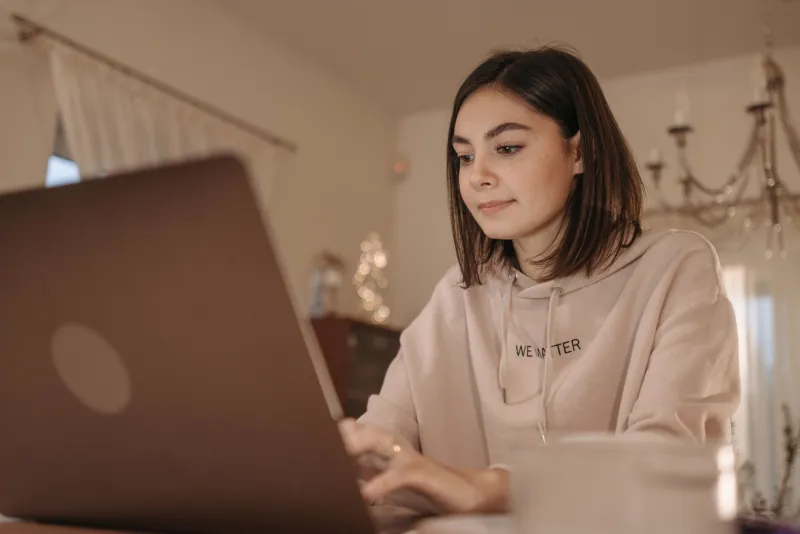
Working from home has a strange way of making a full wardrobe feel unnecessary. From the waist down, nobody knows. From the waist up, a tiny rectangle on a laptop screen is making a series of fast judgements about whether you look awake, employable and vaguely like the person in your Slack photo. That is where the right hoodie earns its keep.
The trick is not to dress up. It is to choose a hoodie that reads well through a webcam without pretending you are not wearing a hoodie. Call it the little-rectangle approach: fewer variables, better signals. The neckline, the shoulder line, the fabric weight and the colour all matter more than the label inside the collar.
Why the neckline does the talking
On a Teams call, the neckline sits close to your face. It is the first thing people see and the last thing they notice if it looks wrong. A hoodie neckline that is too loose can slope away from the collarbone and create a sloppy silhouette. One that is too tight can make you look like you are being slowly swallowed by fleece. The sweet spot is a neckline that sits cleanly around the base of the neck without gripping it.
Look for a hood that holds some shape when down. If the hood collapses into a soft puddle behind your neck, that is fine for the sofa but less helpful on camera. A slightly structured hood, with a decent weight to the fabric and a neat opening, frames the face rather than dragging attention downwards.
Drawstrings are a small detail with a big on-screen presence. Two long cords dangling over the chest can look untidy in a small rectangle. Either tuck them in, trim them if they are excessively long, or choose a hoodie with shorter, neater cords. It is not about being fussy. It is about removing visual noise.
Collar layering without the bulk
A plain hoodie is often enough, but a little layering can make the whole thing look deliberate. A thin crew-neck T-shirt underneath, with just a clean band of colour at the neckline, adds structure without adding bulk. In colder months, a fine-knit base layer can do the same job. Avoid anything thick, frilly or high enough to fight with the hoodie for space around your neck.
A collared shirt under a hoodie can work, but it is a specific look. On camera, it can read either quietly smart or faintly chaotic, depending on how much collar is showing. Keep it simple: one clean collar point, no exaggerated spread, and a hoodie that is roomy enough not to crush it. If you are unsure, the plain crew-neck layer is the safer bet.
Weight, drape and the shoulder line
Fabric weight changes everything on screen. A very light hoodie can cling in the wrong places and show every crease from the sofa. A very heavy one can look stiff and bulky, especially if the shoulders stand away from the body. The useful middle ground is a midweight to heavyweight hoodie with enough drape to fall naturally but enough body to keep its shape.
Shoulder seams should sit close to your actual shoulder, not halfway down your arm. On a webcam, an oversized shoulder line can make you look like you are wearing someone else's top. A slightly relaxed fit is fine; a fit that swallows you is not. Check the sleeve cuffs too. If they are stretched and hanging loose, the whole hoodie looks tired, even if the colour is good.
Colour under British lighting
Most home offices are not blessed with Hollywood lighting. They have a window, a desk lamp and a grey sky doing its best. That makes colour choice practical rather than purely aesthetic. Mid-tone colours tend to work hardest: charcoal, navy, muted olive, oat, soft grey and deep burgundy. They hold their shape visually, flatter most skin tones and do not blow out under a desk lamp.
Optic white can glare. Pure black can turn into a flat silhouette if the light is behind you. Very pale pastels can wash out on a basic webcam. Loud logos and busy prints are distracting in a small frame, especially when you are trying to talk about quarterly figures or a weekend plan. A solid, understated colour lets your face do the talking.
The camera crop is part of the outfit
You can spend twenty minutes choosing a hoodie and undo it by pointing the laptop camera up your nose. Set the screen so the camera is roughly at eye level. The crop should show your collarbone, shoulders and upper chest, not just your chin and a bit of ceiling. That gives the neckline room to do its job.
Sit facing a window if you can, or put a lamp in front of you rather than behind. Backlighting turns even a good hoodie into a dark blob. Before an important call, open the camera preview and look at the little rectangle properly. Are the shoulders sitting cleanly? Is the hood bunched up? Are the drawstrings behaving? Is the colour separating from the wall behind you?
The two-minute considered test
Here is a simple test. Join a test call or open your camera app and take a screenshot. Then ask three questions. First: does the neckline look intentional, or has it given up? Second: can you see a clean shoulder line, or are you disappearing into fabric? Third: would you answer the front door to a delivery driver in this top without feeling scruffy?
That last one is not about impressing the driver. It is about the difference between a hoodie that looks lived-in and one that looks like you have been horizontal since breakfast. A considered hoodie can still be soft, relaxed and comfortable. It just needs a bit of structure and a colour that works with the room.
The call hoodie is not the duvet hoodie
It helps to separate the two. The hoodie you sleep in, walk the dog in and wear under a blanket is not necessarily the one you want on a Monday morning call. Keep a clean, midweight hoodie on the back of the chair, ready to pull on over whatever you are wearing below the desk. It takes ten seconds and saves the whole meeting from looking like a hostage video from the sofa.
In the end, the little rectangle is forgiving. You do not need a full outfit, a blazer or a ring light. You need a hoodie with a neckline that sits well, a fabric that drapes rather than clings, a colour that survives British indoor light and a camera angle that gives it a fair chance. Warm layers, quiet cool, and no sign of the duvet.