The Rub Points Diary: What Your Hoodie's Wear Is Telling You

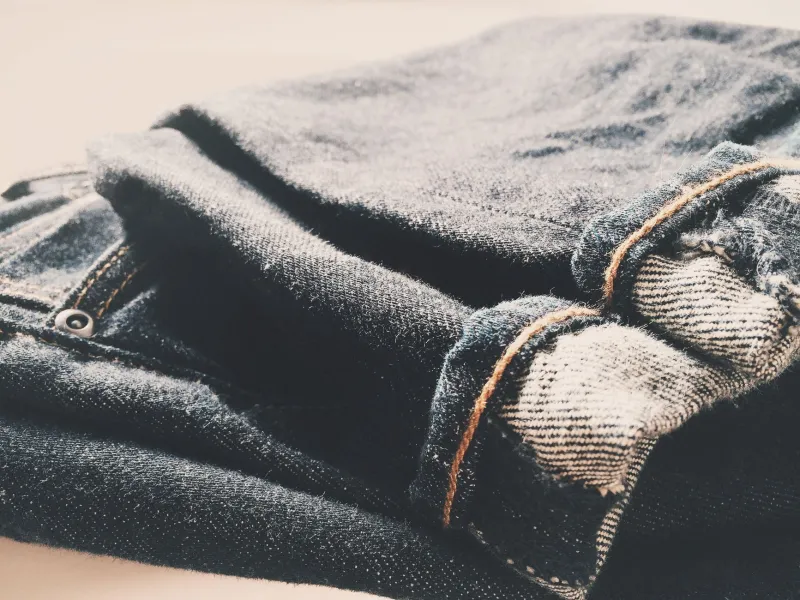
Photo by Photo by Veronica Meloni on Unsplash on Unsplash
Every hoodie keeps a diary. Not in ink, but in the places where the fabric has been asked to work a little harder than the rest. The cuff that has softened into a loose bracelet. The pocket corner that has gone fuzzy from a phone. The faint diagonal line where a seatbelt sits. None of it is random. These marks are the result of fit, habit and the ordinary maths of a British day: bus seats, drizzle, rucksacks, car journeys and the same comfortable layer coming out again and again.
Reading those rub points is not about turning your favourite top into a forensic project. It is a quick, useful check. It tells you whether a hoodie is doing its job, whether your routine is asking too much of one garment, and when a bit of wear is simply the look settling in. Here is how to read the diary without becoming a laundry detective.
Start with the cuffs
Cuffs are the first place most hoodies show their age, and they are also the most honest. If the ribbing has gone slack, the sleeve may be a touch too long and you are pulling the cuff over your hand without noticing. If the very edge is frayed or thin, that is often a sign of repeated contact with a desk, a coat sleeve or a bag strap. If one cuff is worse than the other, your dominant hand is probably doing the work.
This is not necessarily a fit failure. A slightly relaxed cuff is part of the appeal of an everyday hoodie. But if the cuff no longer holds its shape at all, the sleeve is likely too long for how you actually wear it. A simple fix is to push the sleeve up once rather than stretching the cuff down over your knuckles. Small change, longer life.
Pocket corners and the phone habit
The corners of a kangaroo pocket are a brilliant record of daily carry. A phone, keys or a travel card pressed into the same spot will eventually polish the fabric and soften the seam. If both corners are worn, you are a balanced pocket user. If one corner is noticeably balder, you have a favourite side, and that is fine.
The thing to watch is strain. A heavy phone or a bunch of keys pulling on one corner can distort the pocket opening over time. Emptying the pocket at the end of the day is not fussy; it is basic maintenance. If the corner seam starts to gape, a quick repair now is far easier than reshaping a stretched pocket later.
Underarms: fit, movement and layering
Underarm wear is usually about movement, not mystery. Fabric rubs against itself when you walk, reach for a rail or carry a bag on one shoulder. A hoodie that is too tight will create more friction because there is less room for the fabric to move. A hoodie that is very oversized can bunch under the arm and create its own rubbing points.
The underarm is also where layering shows up. If you always wear the same hoodie over a thick jumper, the extra bulk can speed up wear along the side seam and underarm. That does not mean you need a stricter layering rule. It just means rotation helps. Give the everyday hoodie a day off and let a second one take the strain.
Bag straps and seatbelt lines
Look across the chest and shoulder. A faint patch under a rucksack strap or a messenger bag is a commuting signature. So is a diagonal line across the torso from a seatbelt. These marks are not flaws in the hoodie; they are proof that it is being lived in. The fabric has simply been compressed in the same place often enough to show it.
You can slow this down by varying the bag you carry, adjusting the strap and not overloading it. But there is a limit to how much you can control. If the strap patch is only a soft sheen, leave it. If the fabric is thinning to the point where you can see through it, that is a sign the hoodie is taking more punishment than an everyday layer should.
Slow the wear without making laundry a hobby
The goal is not to bubble-wrap a hoodie. It is to avoid unnecessary heat and friction. Air it between wears. Wash it less often than you think, and when you do, turn it inside out, use a cool gentle cycle and skip the tumble dryer. Dry it flat or hang it somewhere with decent airflow rather than draping it over a hot radiator. Zip any pockets or close them up if they have fastenings, and repair a loose seam early rather than waiting for it to become a hole.
Rotation is the quiet hero here. Two or three hoodies in regular use will always age better than one that never gets a rest. That is the essentials approach: fewer, better habits rather than more stuff.
When wear is character, and when it is a cue
Softened cuffs, a gentle fade and a little pilling are part of the charm. A hoodie that looks slightly lived-in can be the most comfortable thing on the rail. But there is a difference between character and collapse. If the ribbing has lost all elasticity, the underarm seam is splitting, the pocket is hanging loose or the fabric is thinning into holes, it is time to repair or replace. Persistent damp smells and a hood that no longer holds any shape are also fair warning signs.
Read the rub points as a friendly note from your own routine. They show where you move, what you carry and how often you reach for the same layer. A little wear is the point. Too much in one place is simply a nudge to adjust the habit, not a reason to panic.